When reading about bingo halls, especially in the context of traditional UK leisure culture, it’s not uncommon to come across references to a bingo hall bar. This feature might seem like a mere footnote, but it serves as a window into the true nature of bingo as a social activity, sharply contrasting the typical stereotypes of gambling culture and highlighting the broader historical and social dimensions that shaped the modern bingo hall experience.
Setting the Scene: The Casino Stereotype vs Everyday Gambling Reality
Popular imagination often lumps all gambling into the dazzling, neon-lit arenas of casinos, where high stakes, sleek machines, and the intense atmosphere of slots and card tables dominate. This stereotype is reinforced by media portrayals and online gambling platforms like online bingo rooms and slots that emphasize rapid gameplay and potential big wins.
However, the reality for many people engaging in gambling in the UK—particularly with bingo—is much more grounded and socially nuanced. Bingo halls are not just places to win money; they are community hubs, especially important as social spaces for tentonhammer.com older women who often form the heart of regular bingo clientele.
This everyday perspective helps explain why the presence of a licensed bar in a bingo hall isn’t just an add-on but a fundamental part of the experience. The bar facilitates a social drinking context where conversation, companionship, and relaxation are just as important as the game itself.
The Role of the Bingo Hall Bar in the Evening Out Setup
For many bingo players, especially in past decades, the bingo hall functions like a night out. It’s a break from routine, a chance to meet friends, and enjoy a drink in a friendly atmosphere. The licensed bar is central to this setup:
- Social lubricator: A drink helps ease conversations and encourages a lively, inclusive atmosphere. Extended time: Access to alcohol means visitors linger, extending the session beyond just the rounds of bingo. Community building: Regular attendees bond over shared memories and experiences, often revolving around the social drinking space.
For many older female patrons, the bingo hall bar is a cherished fixture providing a warm, welcoming environment. This contrasts starkly with online bingo rooms, where the social element is reduced or absent, replaced by convenience and individual entertainment.
The Betting and Gaming Act 1960: Catalyst and Unintended Outcomes
Understanding the historical backdrop explains why bingo halls evolved the way they did. The Betting and Gaming Act of 1960 was a landmark legislation that legalized commercial bingo halls in the UK, setting the stage for a dramatic reshaping of gambling culture. Intent on regulating bookmaking and gambling activities, it inadvertently fostered specific social and spatial developments:
Legitimization of bingo halls: Allowed operators to open purpose-built venues, often converted from older buildings. Licensed bars permitted: Halls could legally sell alcohol, blending gambling with leisure drinking. Growth of the social experience: The law encouraged a form of gambling that was accessible and social, distancing bingo from high-stakes betting environments.This legislation not only brought bingo into the the fold of accepted entertainment but also shaped its character. By allowing licensed bars, the Betting and Gaming Act 1960 unintentionally cemented bingo halls as important social venues, particularly for older demographics seeking camaraderie and comfort.
The Cinema-to-Bingo Hall Transformation: A Tale of Adaptation
Ever notice how one fascinating development in the post-1960 era was the repurposing of old cinemas into bingo halls. This adaptation was practical but also symbolic:
- Architecture: Cinemas had large, tiered seating and open floors, perfect for bingo’s layout. Location: Usually situated in town centers or on high streets, they were ideal community venues. Atmosphere: Cinemas were once places of communal entertainment—converted halls preserved this social feeling through bingo.
These converted spaces often retained a licensed bar area, again combining social drinking with gaming. Patrons could enjoy an evening out setup that bridged the old cinematic experience—meeting friends, enjoying refreshments, engaging in shared entertainment—with the newer pastime of bingo play.
Over the years, while online bingo rooms have offered convenience and instant access, they often lack these physical and social dimensions that the licensed bar and cinema layouts fostered. The tactile, face-to-face experience remains deeply valued by many traditional players.
Bingo Halls as Vital Social Spaces for Older Women
A key reason for mentioning a licensed bar in articles about bingo halls is to underscore the role these venues play beyond gambling:
- Social inclusion: For many older women, especially those who might face social isolation, bingo halls offer vital community connection. Routine and ritual: Regular bingo nights, with familiar faces and the comfort of a chat over a drink, create structured social engagement. Empowerment and enjoyment: The combination of gentle gambling, social drinking, and the communal atmosphere fosters positive experiences and mental wellbeing.
The licensed bar thus isn't just about alcohol sales—it’s a catalyst for social cohesion, engagement, and wellbeing within an aging population.
Contrasting Modern Online Gambling with Traditional Bingo Halls
While online bingo rooms and digital slots dominate much of modern gambling, the real-world bingo hall presents a radically different atmosphere:
Feature Traditional Bingo Hall with Licensed Bar Online Bingo Rooms / Slots Social Interaction High—face-to-face, communal, enhanced by bar setting Low—largely solitary or virtual chat-based Atmosphere Relaxed, leisurely, part social club Fast-paced, focused on gameplay Demographic Mostly older adults, often women Varied, skewing younger in slots Gambling Stakes Generally low stakes, community entertainment Wide range, from casual to high stakes
This contrast helps explain why the article would highlight the licensed bingo hall bar—a subtle but powerful reminder that bingo is more than just a game; it’s a lived social ritual deeply embedded in British culture.
Conclusion
The mention of a licensed bar in bingo halls is far from trivial. It encapsulates themes of social drinking context, community bonding, and the evolution of gambling spaces shaped by historical legislation like the Betting and Gaming Act 1960. It also highlights the unique nature of bingo as a social outing—an evening out setup that involves more than just spinning balls and cards.

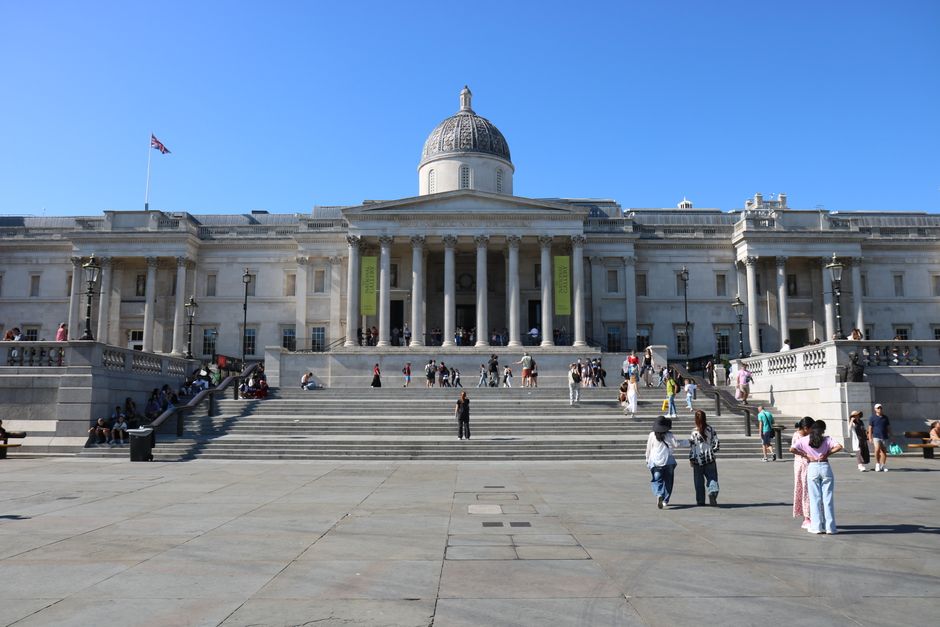
Cinemas turned bingo halls with their licensed bars stand as monuments to a communal approach to leisure that contrasts sharply with the fast, individualized pace of online bingo rooms and slot games. For many players, particularly older women, the licensed bar transforms the bingo hall into a safe, welcoming place for social connection and enjoyment.
Understanding this context broadens our appreciation of gambling beyond clichés of casinos and high stakes, revealing a rich tapestry of social, cultural, and historical influences that define everyday gambling in the UK.